Introduction
Cardiopulmonary resuscitation (MOUTH-TO-MOUTH RESUSCITATION) is a lifesaving method that every person must understand. Nevertheless, regardless of its essential importance, countless misunderstandings border mouth-to-mouth resuscitation practices and certification. Lots of individuals could be reluctant to get licensed due to these misunderstandings, which can ultimately cost lives in emergency situation situations. This write-up intends to expose widespread misconceptions regarding CPR while highlighting the importance of obtaining certified through approved first help courses By understanding the realities, you can encourage yourself and potentially conserve a life.
Common False impressions About mouth-to-mouth resuscitation and Why You Must Get Certified
What Is CPR? Understanding the Basics
CPR represents cardiopulmonary resuscitation, a treatment designed to restore breathing and circulation in a person who has actually stopped breathing or whose heart has discontinued beating. The technique entails breast compressions integrated with synthetic air flow methods such as mouth-to-mouth breathing or using a bag-mask device.
- Key Elements of CPR: Chest Compressions: These aid preserve blood flow to crucial organs. Rescue Breaths: These give oxygen to the lungs. Automated Exterior Defibrillator (AED): A gadget that can surprise the heart back right into rhythm in instance of certain heart arrests.
Misconception 1: Only Physician Can Execute CPR
One usual misconception is that just trained doctor can carry out mouth-to-mouth resuscitation efficiently. While healthcare providers are certainly experienced at it, any individual can find out how to execute mouth-to-mouth resuscitation with CPR courses
- The Truth: Laypersons can be educated to provide effective CPR. Basic methods are uncomplicated and can be understood by any person happy to learn. Bystanders frequently play essential functions in conserving lives prior to professional help arrives.
Misconception 2: CPR Is Just Useful for Cardiac Arrest Victims
Another extensive misconception is that mouth-to-mouth resuscitation is exclusively for individuals experiencing cardiac arrest. Actually, mouth-to-mouth resuscitation can be useful in different emergencies.
- Other Situations Where mouth-to-mouth resuscitation Works: Drowning incidents Drug overdoses Choking targets where the air passage has been compromised
Misconception 3: You Need To Prevent Giving Rescue Breaths
Many people think rescue breaths are unneeded or perhaps dangerous as a result of the danger of infection or various other issues. This comes from confusion concerning just how COVID-19 could affect these practices.
- The Truths: Rescue breaths are important for supplying oxygen. During circumstances like drowning or opioid overdose, rescue breaths become crucial. Hands-only CPR is suggested when someone is inexperienced or reluctant yet knowing both techniques continues to be vital.
Misconception 4: You Can't Hurt Somebody by Carrying Out Mouth-to-mouth Resuscitation Incorrectly
While it's true that carrying out mouth-to-mouth resuscitation improperly might create some damage, not trying it whatsoever may bring about death.
- Understanding the Risks: Rib cracks might take place throughout aggressive breast compressions. Any action taken is much better than doing nothing; modern standards highlight that "something" is far much better than "nothing" during cardiac arrest situations.
Misconception 5: Once You're Educated, You Do Not Required Additional Training
Some people think that when they've finished a program, they don't require further training or recertification.
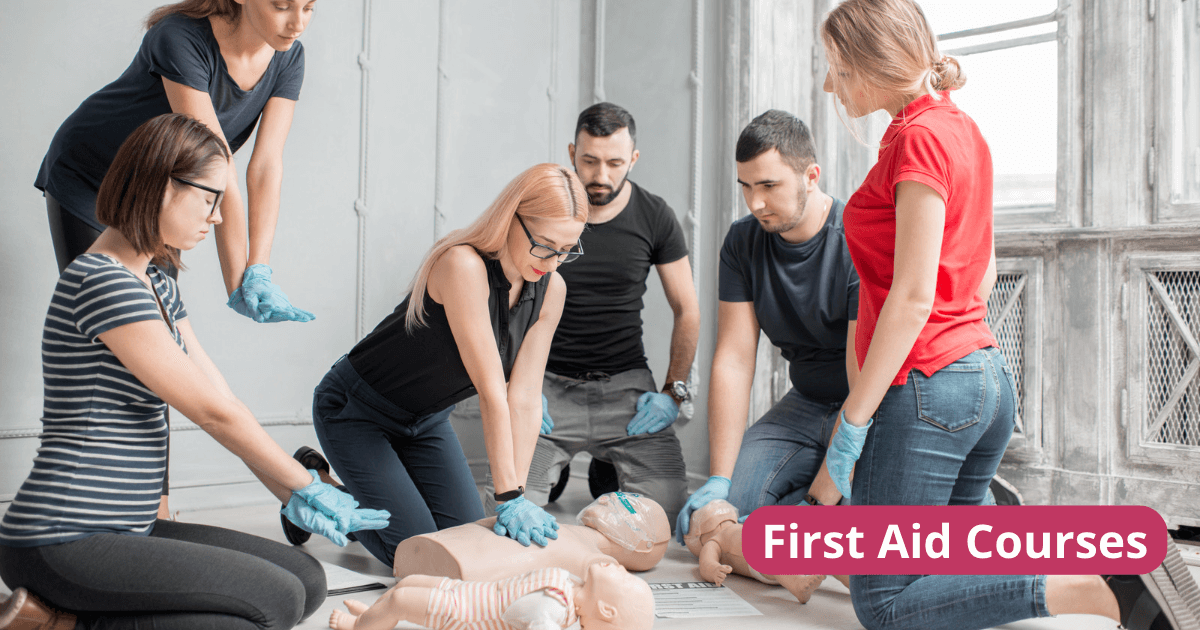
- Why Recurring Training Matters: Techniques evolve with time based on brand-new research. Regular refreshers keep your abilities sharp and ensure you're current with present ideal practices.
Misconception 6: Kid Do Not Need CPR Training
Parents commonly assume they won't need to execute CPR on their kids because youngsters do not experience heart events as often as adults do.
- The Reality for Parents: Children can experience respiratory system issues, choking events, or drowning situations needing immediate attention. Learning pediatric-specific techniques guarantees readiness during emergency situations involving children.
Importance of Obtaining Certified in Emergency Treatment and CPR Courses
Why Accreditation Issues in Emergency Situation Situations
Being certified in emergency treatment and CPR provides several benefits past simply finding out hltaid009 CPR certification life-saving skills:
- Enhances self-confidence when dealing with emergencies Increases awareness of security protocols Encourages more people to advance in emergency situation scenarios
Benefits of Taking an Emergency Treatment Course
Comprehensive Capability: Individuals learn not nearly mouth-to-mouth resuscitation but likewise basic emergency treatment concepts such as wound care and managing fractures. Legal Security: Certification frequently comes with Good Samaritan legislations protection when aiding someone throughout an emergency. Career Opportunities: Several jobs need first aid accreditation as part of their safety and security methods; being licensed boosts employability in fields like mentor, coaching, healthcare, and childcare.FAQs Regarding Usual Misconceptions Pertaining To CPR
FAQ 1: What type of training do I require for reliable CPR?
You ought to sign up in acknowledged CPR courses that cover both adult and child resuscitation techniques effectively.
FAQ 2: Exactly how commonly must I restore my emergency treatment certificate?
It's a good idea to renew your first help certificate every 2 years because standards change regularly based upon arising research.
FAQ 3: Is hands-only compression much better than typical CPR?
For untrained bystanders or those unpleasant offering rescue breaths, hands-only compression works however knowing both methods gives a greater possibility of survival if trained properly.
FAQ 4: What sources are readily available for discovering initial aid?
Numerous companies use on the internet resources along with physical training courses; trustworthy platforms include the American Heart Organization and Red Cross sites which detail first aid courses available near you.
FAQ 5: Exist any type of age constraints on taking an emergency treatment course?
Most first help courses welcome individuals of every ages; nonetheless, some specialized courses may be tailored toward particular age (e.g., kids vs grownups).
First Aid Course Near MeFAQ 6: Does my workplace need me to obtain certified?
Certain workplaces-- particularly those including public interaction-- frequently need staff members to have valid accreditations in emergency treatment and basic life assistance (BLS).

Conclusion
Understanding the fact behind typical mistaken beliefs about CPR is important for increasing awareness regarding this life-saving method. Whether you're a parent wanting to secure your child or an employee looking for certification for specialist improvement, obtaining licensed with proper first help courses arms you with the knowledge necessary for acting emphatically during emergency situations. Keep in mind-- any individual can discover just how to do effective CPR no matter background; do not allow false impressions hinder you from becoming equipped! So why wait? Sign up today for a CPR course!
This detailed guide seeks not only to dispel misconceptions bordering CPCR however also functions as an inspiration for everyone to seek certification so they also can contribute positively throughout emergencies!
